Necessary Guide to Strapping Machine Repair: Making Certain Optimum Efficiency and Long Life
Strapping machines play an essential role in product packaging and logistics. They can encounter numerous problems that impede their efficiency. Understanding these usual problems and their hidden causes is necessary for effective fixing and maintenance. Proper diagnostics and routine upkeep can prolong a machine's lifespan considerably. Several drivers ignore essential maintenance steps. What are the most efficient methods for guaranteeing these machines run at peak efficiency? The answers might surprise you.
Common Strapping Machine Issues and Their Reasons
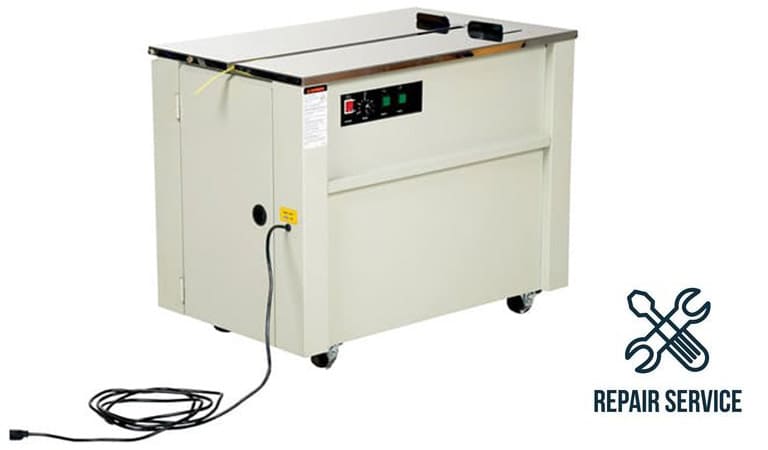
Strapping machines are crucial for effective packaging procedures, they can come across different concerns that interrupt operations. Common troubles include misfeeds, where the strap does not feed properly with the maker, often caused by incorrect alignment or used parts. An additional constant concern is band breakage, which can result from using the wrong kind of strap or excessive tension throughout the strapping process. In addition, irregular seal stamina may happen as a result of not enough heat or stress setups, bring about defective or weak seals. Dirt and debris accumulation can likewise cause mechanical failures, hindering the machine's performance. Operators might additionally experience electrical breakdowns, such as malfunctioning sensors or control failures, which can halt production. Recognizing these concerns and their hidden reasons is essential for preserving excellent efficiency and ensuring the long life of strapping machines in product packaging operations.
Essential Tools for Strapping Machine Repair
Resolving the common concerns that strapping machines run into calls for the right devices to assure effective repair work and maintenance. Crucial devices consist of screwdrivers, pliers, and wrenches, which are vital for disassembling and rebuilding parts. A multimeter is very important for identifying electric problems, enabling service technicians to identify defective connections or elements. Additionally, a torque wrench assurances that screws are tightened up to the maker's specifications, protecting against future failures. Lubricants and cleaning materials are necessary for routine maintenance, assuring smooth operation and longevity of the equipment. Replacement components, such as belts, sensors, and motors, need to also get on hand to facilitate quick fixings. Ultimately, a detailed repair manual gives very useful assistance, assisting technicians navigate the intricacies of strapping maker repair service successfully. Using these devices properly can substantially enhance the efficiency and life-span of strapping machines, decreasing downtime and functional disturbances.
Step-by-Step Troubleshooting Overview
Exactly how can service technicians efficiently diagnose and resolve concerns with strapping machines? A systematic technique is vital. They need to recognize the signs and symptoms, such as irregular strapping or machine jams. Next off, professionals need to assess the customer handbook for particular error codes or repairing steps connected to the observed concerns.
When signs are noted, they need to check the device's components, consisting of the tensioner, securing head, and feed system for wear or damages. It is very important to inspect for appropriate positioning and any kind of blockages. After visual examinations, specialists should check the electric connections and sensing units to guarantee they are operating properly.
Doing a practical test after each modification will assist isolate the concern if problems continue. Recording each step taken is essential for future reference. Following this organized troubleshooting overview allows service technicians to efficiently identify the trouble and execute effective fixings, thus improving equipment reliability and performance.
Preventative Upkeep Tips for Long Life
Implementing a durable preventative maintenance plan is crucial for assuring the longevity of strapping machines. Regular assessments need to be conducted to determine any kind of signs of wear More Bonuses or damages, concentrating on essential parts such as belts, rollers, and sensors. strapping machine repair. Cleaning up the maker regularly assists avoid debris build-up, which can lead to functional concerns. Lubrication of moving components is necessary; making use of the manufacturer's recommended lubricants guarantees smooth operation and reduces friction
Additionally, operators must keep an eye on the maker's performance metrics, noting any irregularities that might suggest possible issues. Keeping a thorough maintenance log help in tracking solution background and organizing prompt interventions. Training personnel on correct usage and handling can substantially decrease the danger of operator-induced damages. Changing worn components proactively, rather than reactively, can minimize downtime and expand the equipment's life expectancy. Adhering to these preventative maintenance ideas will certainly contribute to optimal performance and sturdiness of strapping machines.
When to Seek Specialist Aid
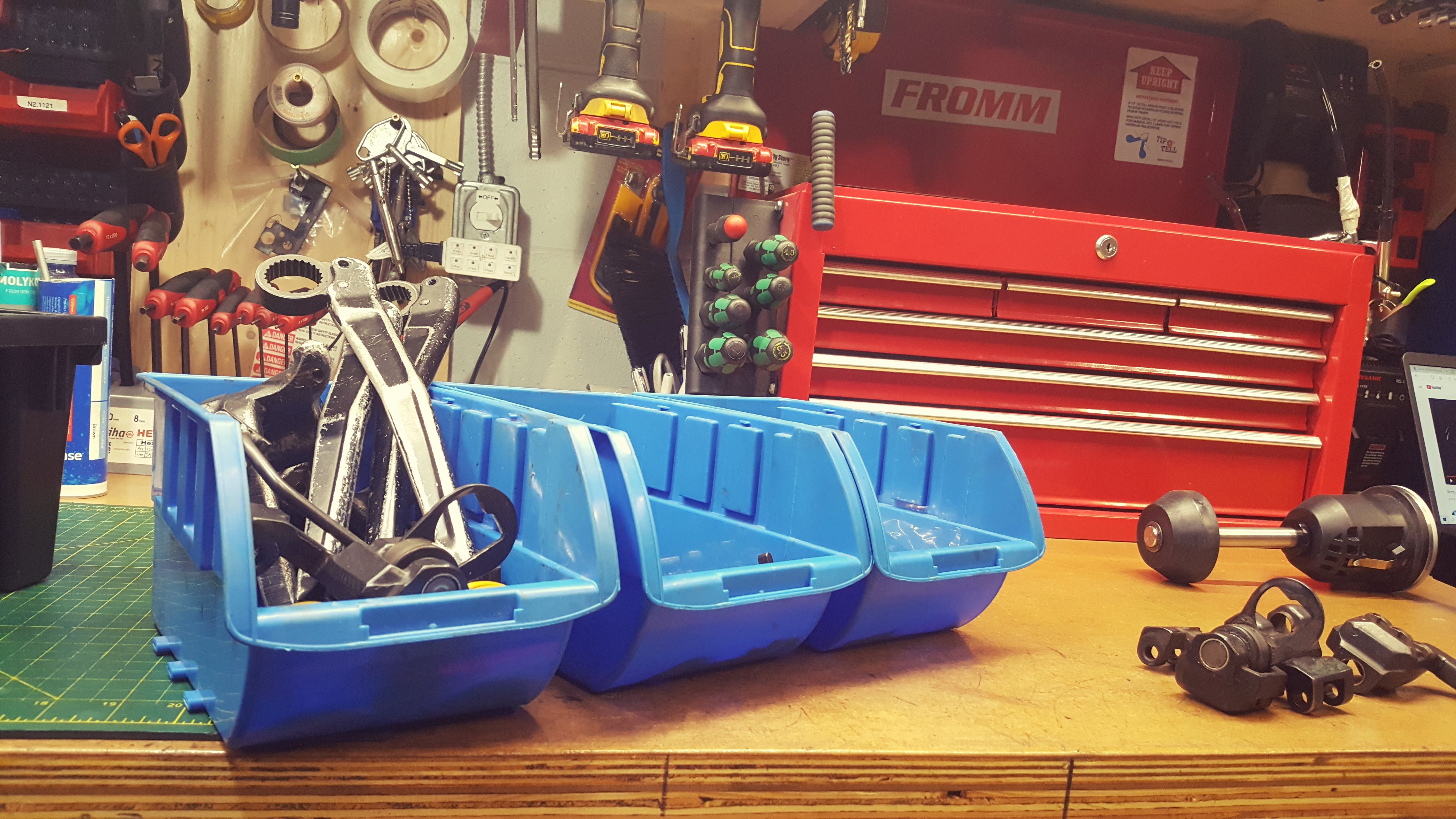
In addition, when components show signs of wear or damage, professional analysis comes to be vital to assure security and functionality. If in-house maintenance staff lack the proficiency or tools to identify complicated concerns, looking for aid from experienced specialists is recommended. Routine assessments with experts can likewise help in identifying prospective issues prior to they escalate. Ultimately, timely intervention by professionals not only extends the life expectancy of the tools yet additionally safeguards performance, making certain that procedures continue to be effective and smooth.
Often Asked Questions
Just how Usually Should I Change the Strapping Machine's Components?
Strapping device parts need to be changed every 1-3 years, depending upon usage and wear (strapping machine repair). Routine assessments and maintenance can assist identify parts requiring replacement earlier, guaranteeing ideal performance and reducing the danger of unforeseen failures
Can I Use Various Strapping Materials With My Machine?
Different strapping products can often be utilized with an equipment, offered they fulfill specific size and tension needs. However, compatibility must be click for info validated to guarantee peak efficiency and protect against prospective damage or malfunction.
What Are the Indicators of an Overheating Strapping Machine?
Signs of an overheating strapping maker consist of uncommon noises, frequent closures, excessive heat emanating from elements, smoke, and irregular strapping high quality. Prompt recognition of these signs is crucial for protecting against damage and guaranteeing reliable operation.
Exactly How Can I Enhance Strapping Speed Without Sacrificing Quality?
To improve strapping speed without sacrificing quality, one can maximize equipment setups, utilize top notch products, preserve devices frequently, and train operators in efficient techniques, ensuring an equilibrium in between rate and efficient strapping efficiency.
Exist Specific Brands Recognized for Better Resilience?
Certain brands, such as Signode and Mosca, are renowned for their longevity in strapping machines. Their durable construction and premium materials frequently lead to expanded life-spans and reputable performance sought after commercial environments.
Just how can professionals effectively detect and settle problems with strapping machines? They should recognize the signs, such as irregular strapping or maker jams. Implementing a durable preventative maintenance strategy is important for ensuring the longevity of strapping machines. Different strapping products can frequently be utilized with a device, provided they meet particular size and tension requirements. Indications of a getting too hot strapping maker include uncommon sounds, regular closures, excessive warmth rising from elements, smoke, and inconsistent strapping top quality.